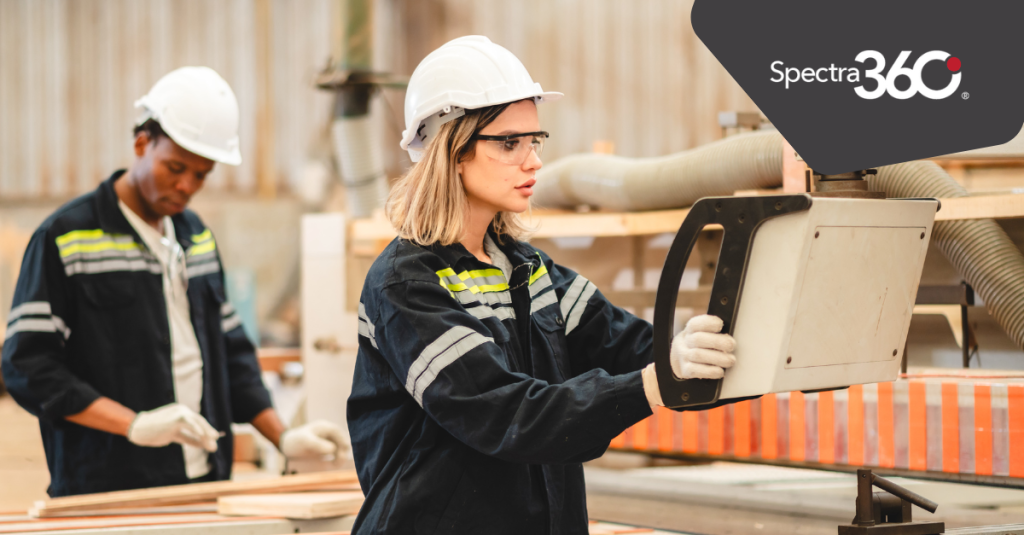
Significant changes will shape the manufacturing industry in the coming months. While challenges like shipping disruptions persist, companies seek new ways to progress. If you’re feeling pressure from critical issues like supply chain problems, unpredictable regulations, or technological advances, you’re not alone. The key is to keep up with the most important industry trends so your manufacturing company can gain vital insights and stay ahead of the curve.
Related Article: 20 Manufacturing Stats You May Not Know
Challenges in the Manufacturing Industry
The manufacturing industry has been working to improve supply chains since the pandemic, but challenges continue to slow their progress. Some of these include international issues, unstable regulations, and rising costs. As a result, experts predict that international shipping could face delays of up to 20 days, causing problems in deliveries and production.1
They also face a shortage of skilled workers, especially those who can work with advanced technologies. According to a study by Deloitte and The Manufacturing Institute, there has been a 75% rise in demand for skills in technology-focused roles in manufacturing.2
Despite the challenges, many manufacturers find ways to innovate. Tools like robotics and energy-saving equipment help fill staffing gaps and improve operations.
What are the Latest Trends in Manufacturing?
In response to global manufacturing issues, companies are looking for solutions, such as better technology and changes in their staffing strategies. Here are the top six manufacturing trends to watch for.
1. Smarter AI Use: Maximizing Good Data for Innovation
Manufacturing companies are starting to use AI and generative AI more strategically, especially in customer service and product innovation. The focus is on getting high-quality, organized data. You are more likely to have good AI usage if you have good data input.
Unpredictable parts of manufacturing do not usually produce good data, such as manual tasks or machine repairs that still involve a lot of human decisions. However, areas like customer service generate large amounts of stable digital data—like call records and product information—that can be easily used without too much processing.
So, manufacturers use AI tools that enhance customer experience, like virtual chatbots or augmented reality service manuals. AI is also becoming useful in product design, and analyzing past product data can reveal innovation opportunities.
To successfully use AI in manufacturing in the coming years, companies start by building a clear AI and data strategy. This typically includes creating an operating model, setting rules for AI use, and identifying risks like data privacy and seamless integration into the manufacturing process.
2. Automation and Simulation: Leveraging Digital Tools to Boost Efficiency
Manufacturing companies use special technology to handle skills shortages and rising costs. These digitally enhanced tools can achieve multiple goals simultaneously, such as maintaining consistency in production, reducing human error, and improving operational efficiency, all while minimizing the need for manual labor.
Automation in manufacturing usually involves robotic machines, such as six-armed robots with special vision technology, to lessen the work traditionally done by employees. These machines help with repetitive and demanding tasks like assembly, packaging, and material handling, making operations faster and safer.
Simulation software also plays an important role in improving manufacturing processes. It lets manufacturers create virtual models of production lines and supply chains to spot problems early. Manufacturers can streamline operations, cut costs, and prepare for challenges by testing different scenarios.
3. Cleaner Technology: Continuous Movement Towards Sustainable Manufacturing
Despite policy changes and high production costs, companies continue investing in clean technologies to meet sustainability goals. These efforts not only satisfy consumer demands for more environmentally friendly products but also save costs in the long run.
Cleaner energy solutions are one focus of sustainability in manufacturing. Examples include using more electric and hydrogen-powered products to decrease emissions from machines that use gas. Manufacturers also aim to improve energy efficiency by using less energy equipment and incorporating renewable energy sources, like solar and wind power.
Reducing waste is also becoming more critical as companies focus on lean manufacturing and using recyclable or biodegradable materials. These production methods improve efficiency while reducing unnecessary resources. Additionally, companies prioritize partnering with sustainable suppliers to ensure that more parts of the supply chain are environmentally friendly.
4. Strategic Reshoring: Bringing Manufacturing Back Home with New Tools
Industries like semiconductors and electric vehicles are bringing production back home after years of offshoring. This change helps reduce risks that usually come with global supply chains, like shipping delays, reliance on foreign suppliers, and political issues. Reshoring also supports the local economy by creating more jobs and keeping production close to important markets.
In the past, reshoring required big investments in labor and infrastructure. However, new technologies are making the process easier and more efficient. Tools like automation and AI help companies simplify operations and improve production while relying less on manual labor.
For example, collaborative robots work alongside employees, handling repetitive tasks so workers can focus on more complex jobs. AI tools also help analyze workforce skills, identify gaps, and create training programs to help employees adapt, making the transition smoother for everyone.
5. Better Supplier Networks: Diversifying and Strengthening Relationships
Supply chain issues have improved since the COVID-19 pandemic. However, many challenges persist, such as long lead times, shipping delays, and tensions between countries. Many manufacturers are exploring diversifying and improving their supplier base to manage these issues.
By working with multiple suppliers, manufacturers can reduce the risks of relying too heavily on a single source for essential materials. This approach helps cushion the impact of shipping delays or political instability in specific regions. Nearshoring—bringing production closer to home—offers advantages, such as shorter transit times and fewer trade complications.
Manufacturers also work to build strong, long-term relationships with their suppliers. When trust is established, manufacturers can get priority services during material shortages. They can also get better deals, like flexible pricing or faster deliveries. These strong partnerships make suppliers more responsive to urgent needs, which improves stability even during supply chain challenges.
6. Skills-Driven Talent: Developing the Workforce for Advanced Manufacturing
One major trend in manufacturing is solving the skills gap in advanced roles. As the industry leans toward AI, robotics, and automation, companies must match these tools with employees and teams that can handle them.
Training in technical, digital, and interpersonal skills is now necessary. To satisfy workplace needs, focus on robotics and AI-powered production. Upskilling efforts solve skill gaps and address employee retention and productivity. When workers see their employer investing in their future, they are likelier to stay and thrive within the company.
Manufacturers are also leveraging the recruitment process by prioritizing skills instead of credentials. Hiring people with experience in robotics or AI planning tools, even without formal degrees, opens more opportunities to find capable workers.
Get the skilled talent you need for manufacturing success with Spectra360!
As manufacturing trends evolve this year, securing top talent is essential for staying competitive. Spectra360 specializes in quickly sourcing highly qualified workers for temporary and permanent roles. With over a decade of providing staffing solutions to manufacturers, we can offer the best staffing solutions you need to brave the new season.
Contact us today to discuss how our tailored staffing solutions can support your goals!
References:
1. Jim Kilpatrick, et al. “Restructuring the Supply Base: Prioritizing a Resilient, yet Efficient Supply Chain.” Deloitte Insights, 23 May 2024, www2.deloitte.com/us/en/insights/industry/manufacturing/global-supply-chain-resilience-amid-disruptions.html.
2. Coykendall, John, et al. “2024 Manufacturing Industry Outlook.” Deloitte Insights, 2023, www2.deloitte.com/us/en/insights/industry/manufacturing/manufacturing-industry-outlook.html.